
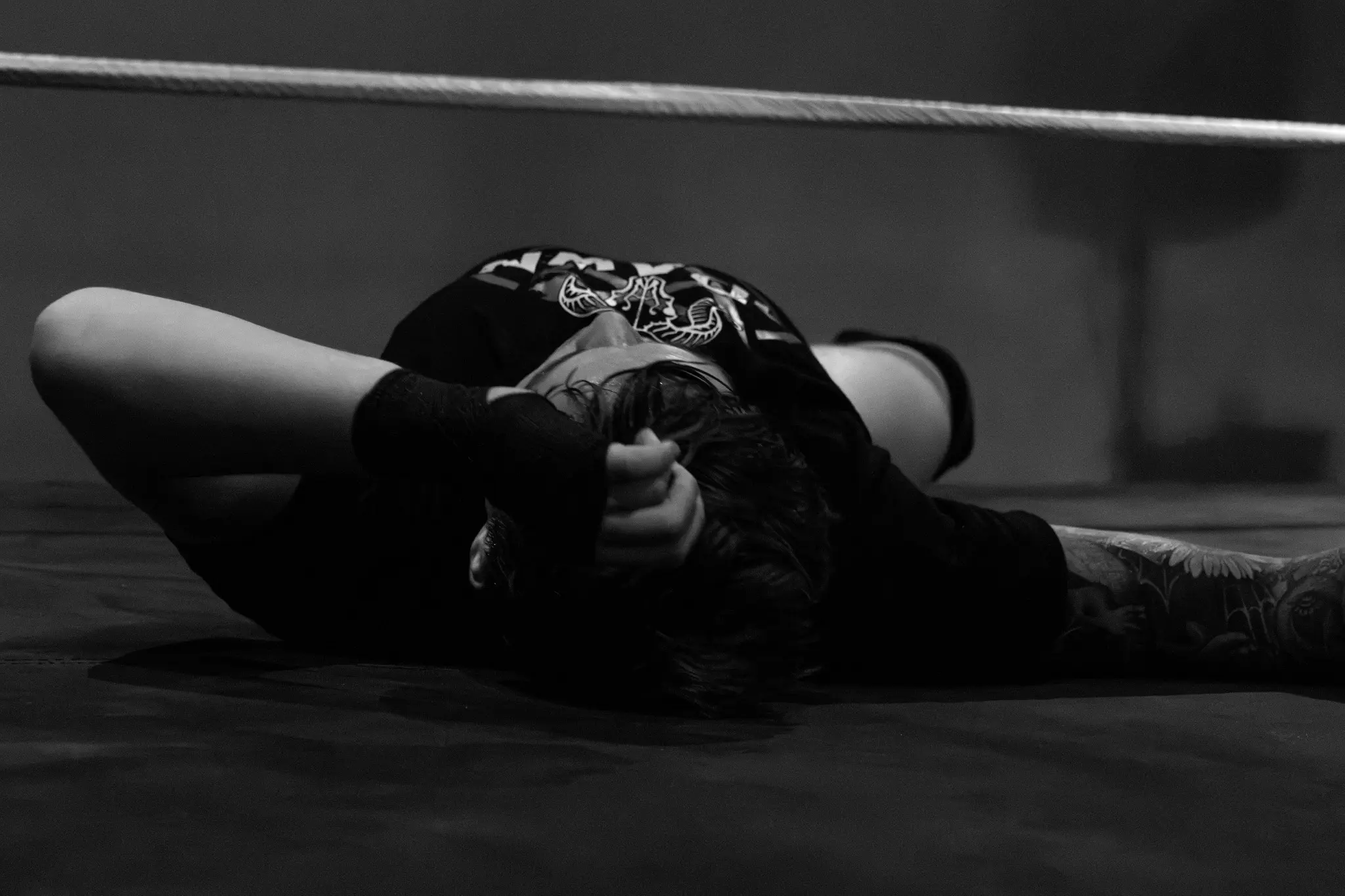
Professional wrestling asks a photographer to read movement, performance and crowd energy at once. The decisive frame may last less than a second, but it depends on everything noticed beforehand.
01 / Learn the rhythm before chasing the moment
A wrestling match has a visual rhythm. Entrances establish character. Early exchanges explain the relationship between performers. The pace rises, the audience responds and the final stretch compresses everything into faster decisions.
Strong ringside coverage begins with anticipation. Watch body position, distance from the ropes and the way a performer prepares to move. A photographer who reacts only after impact records the aftermath; a photographer who reads the build can capture the peak.
Position matters too. Staying low often gives the action scale, while careful movement around the ring creates variety without distracting performers or blocking the audience. Exposure and autofocus settings must be prepared for rapidly changing light so attention can remain on the story.
“The photograph must feel immediate, but the decision behind it cannot be accidental.”
02 / The character continues between the moves
Wrestling photographs should not become a catalogue of impacts. The glance towards an opponent, the pause on the ropes, a reaction in the crowd or a moment of exhaustion can explain far more than the biggest move of the night.
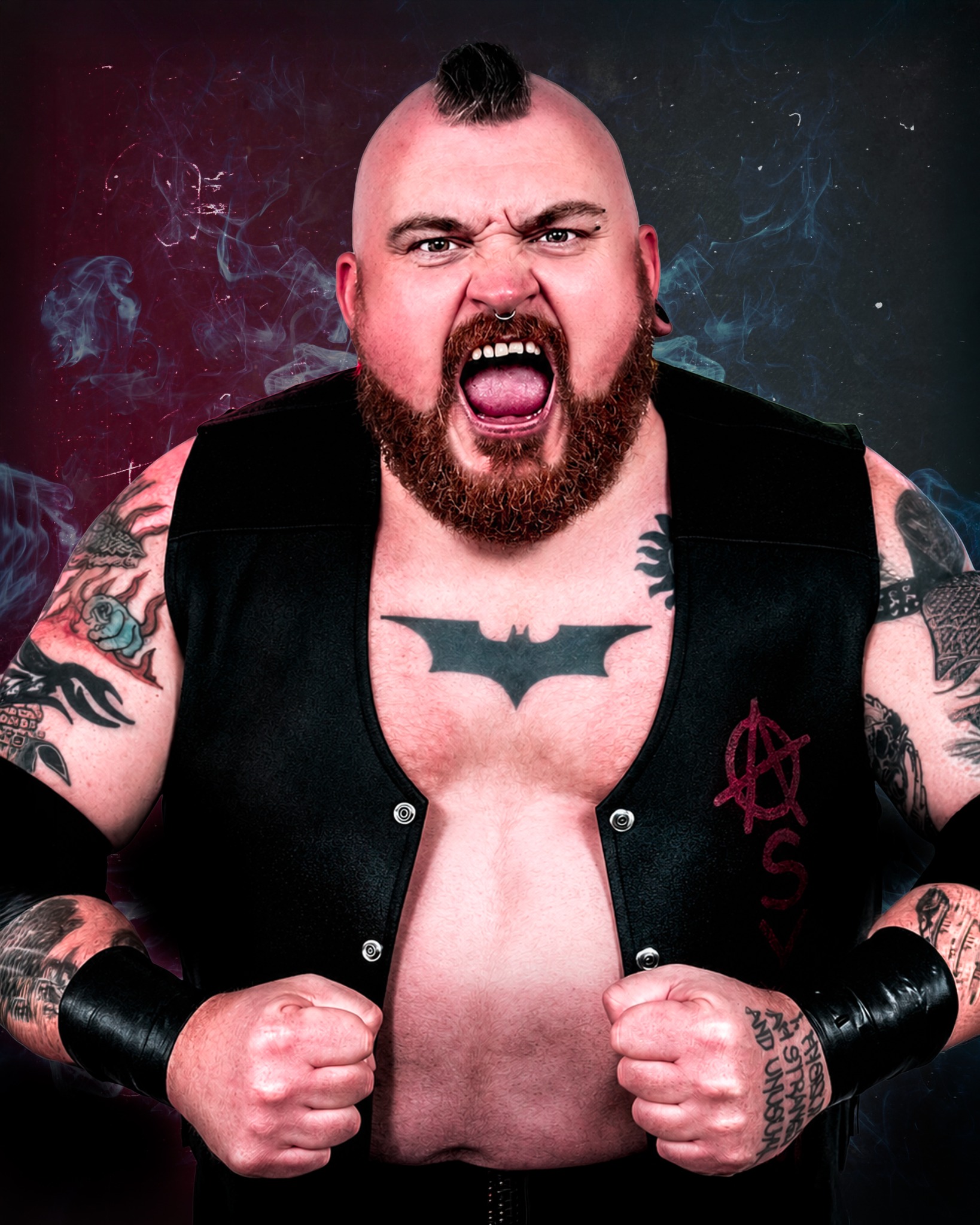
This is where sport and portraiture meet. Each performer brings a visual identity: posture, gear, expression, colour and the way they occupy space. Ringside frames need to respect that identity. Promotional portraits then extend it in a more controlled setting, using light and direction to make the character legible before the bell rings.
Our promotional portrait work and ringside collection are designed as two parts of the same story—who the performer is and what happens when that character is tested.
03 / Access is built on trust
Backstage environments are working spaces. Good coverage depends on understanding boundaries, asking when something is unclear and knowing when the camera should stay lowered. The strongest access comes from being reliable rather than intrusive.
That trust also shapes delivery. Promotions need photographs quickly enough to continue the conversation after an event. Performers need images that represent them well. A considered edit should include scale, atmosphere, action, character and the connective details that make the night recognisable.
Ellivance is available for professional-wrestling event coverage, promotional portraits and campaign imagery. Start a conversation about an event or performer brief.